Protect your workforce with a management system built on prevention, not just reaction.
ISO 45001 is the international standard for occupational health and safety management. It helps organisations across Africa proactively reduce workplace risks, protect workers, meet legal obligations, and demonstrate a genuine commitment to safe operations.
The global standard for occupational health and safety
Published in March 2018, ISO 45001 replaced OHSAS 18001 as the internationally recognised framework for occupational health and safety (OHS) management systems. It aims to reduce workplace injuries and diseases, and promote physical and mental health at work. Over 76 countries have adopted ISO 45001 as a national standard, making it the definitive global benchmark for OHS management.
2018
Standard published by ISO
76+
Countries adopted nationally
2.3M
Work-related deaths per year globally
OHSAS 18001
Predecessor standard replaced

Six key principles of ISO 45001
ISO 45001 is built on principles that emphasise prevention, worker involvement, and management leadership as the foundation of effective occupational health and safety.
Organisational Context
Understand internal and external factors that affect occupational health and safety performance, including the needs of workers and other interested parties.
Worker Participation
Involve workers at all levels in hazard identification, risk assessment, and OHS decision-making. Worker participation is central to the standard, not optional.
Leadership Commitment
Visible, active leadership ownership of OHS objectives, resources, and culture. Top management is accountable for integrating OHS into organisational strategy.
Risk and Opportunity Management
Proactively identify, assess, and control hazards before incidents occur. Risk-based thinking drives preventive action rather than reactive correction.
Legal Compliance
Identify and maintain compliance with applicable OHS legal requirements, regulations, and other obligations relevant to your organisation and workforce.
Continual Improvement
Systematically improve OHS performance through management reviews, internal audits, corrective actions, and ongoing learning from incidents and near-misses.
What ISO 45001 certification delivers
Beyond regulatory compliance, ISO 45001 creates measurable operational and commercial value by reducing incident costs, improving worker confidence, and strengthening your organisation's reputation.
Reduced workplace injuries, incidents, and associated financial costs
Improved worker confidence, morale, and productivity
Clearer legal compliance framework and reduced regulatory risk
Enhanced reputation with clients, regulators, and tender evaluators
Simplified integration with ISO 9001 and ISO 14001 (High Level Structure)
Stronger leadership visibility over occupational health and safety performance
Better identification and control of hazards before incidents occur
The scale of the challenge
2.3 million work-related deaths occur globally each year.
According to the International Labour Organization (ILO), 317 million non-fatal workplace accidents occur annually. ISO 45001 exists to reduce these figures through systematic prevention, worker participation, and leadership commitment to safety.
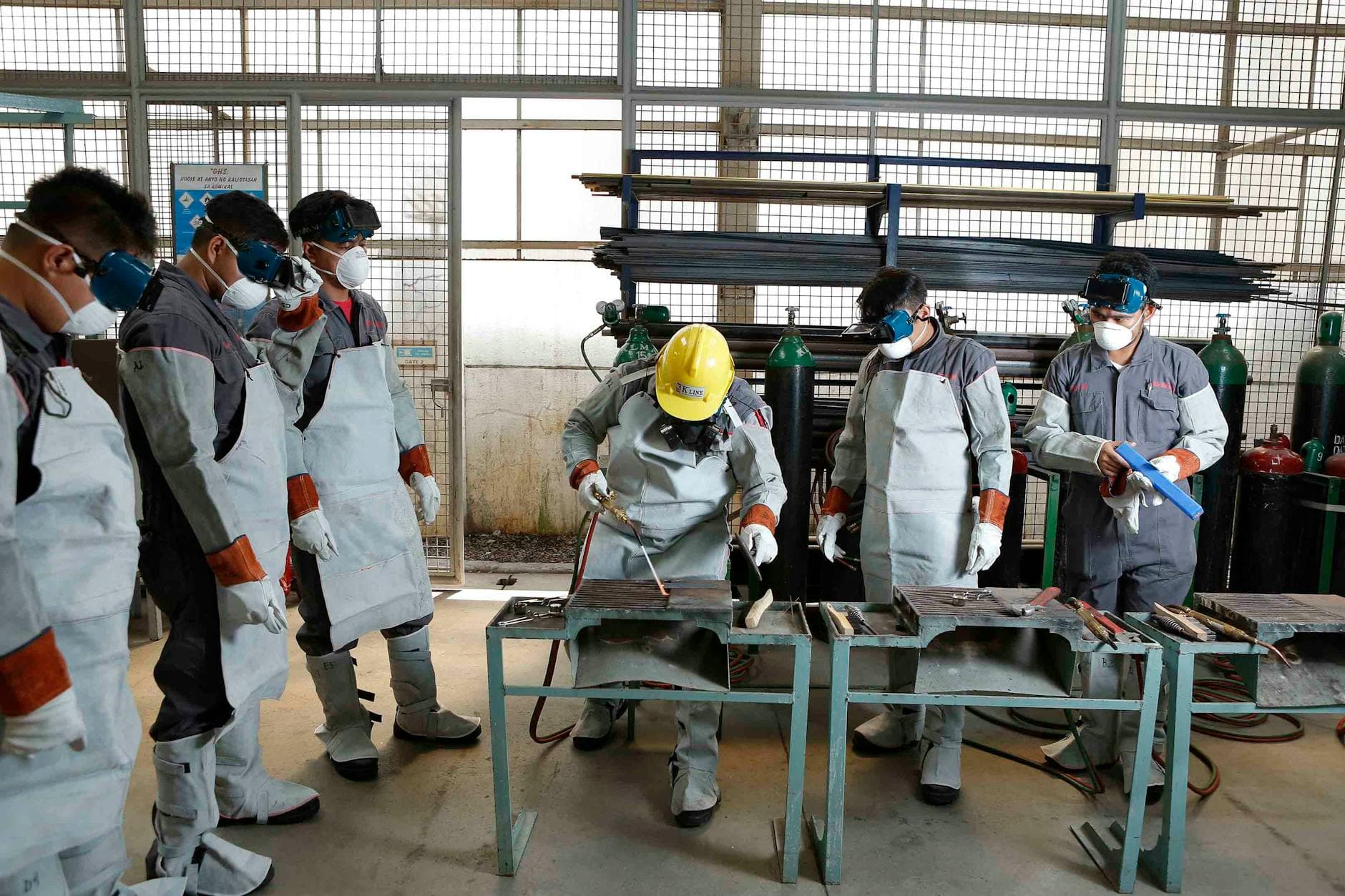
Industries with highest exposure
How ISO 45001 differs from OHSAS 18001
ISO 45001 replaced OHSAS 18001 in 2018. Organisations that held OHSAS 18001 certification had until September 2021 to transition. The differences are significant and affect how the system is designed and operated.
Worker participation is now explicit
ISO 45001 places much stronger emphasis on worker consultation and participation compared to OHSAS 18001. Workers must be actively involved in hazard identification and risk assessment.
Organisational context requirement
ISO 45001 requires organisations to understand their context — internal and external issues, interested parties, and how these shape OHS risks — before designing their management system.
High Level Structure alignment
ISO 45001 uses the same High Level Structure as ISO 9001 and ISO 14001, making integration into a combined management system significantly easier and more efficient.
Mental health and wellbeing included
The standard extends beyond physical safety to include worker mental health and psychological wellbeing as part of occupational health considerations.
Practical ISO 45001 support from hazard identification to audit day
We support organisations across Africa in building occupational health and safety management systems that protect workers, satisfy auditors, and strengthen commercial credibility.
Hazard identification and risk assessment
We support your teams in systematically identifying workplace hazards, assessing associated risks, and designing controls that are proportionate and legally defensible.
Legal obligation register and compliance framework
We map applicable OHS legislation, regulations, and industry standards relevant to your operations, creating a compliance framework your team can maintain and evidence.
OHS documentation and management system design
Policies, procedures, safe work instructions, and records are designed to meet ISO 45001 requirements and your operational reality — practical, not bureaucratic.
Internal audit and readiness assessment
Before the certification audit, we conduct a structured internal review to confirm your system is complete, your evidence is adequate, and your team is prepared to present with confidence.
Start your certification journey
Build a safety management system that protects your people and your business.
Speak with Imbeko Global Certification about your ISO 45001 certification goals, workforce size, and operational risk environment across Africa.